
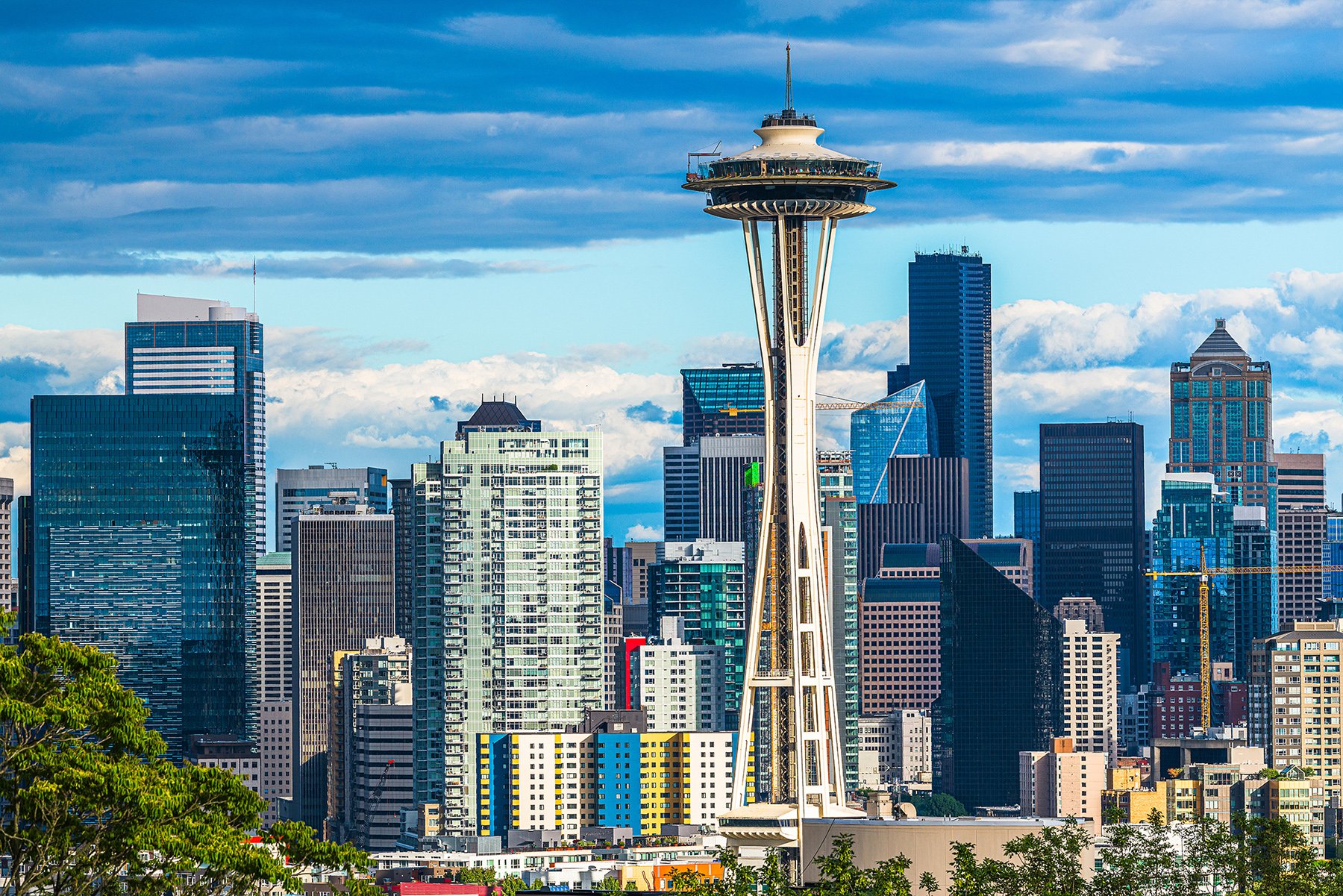
Seattle’s laid-back attitude and diverse neighborhoods more than make up for its consistently cloudy weather. Plus, it’s home to some of the country’s best coffee and a thriving arts scene, plenty of history, culture and – when the weather permits – some exciting outdoor activities. Surrounded by water (and resting between Puget Sound and Lake Washington), the city’s favorite outdoor pursuits include kayaking, hiking, camping and whale watching. Not only that, but the nearby Olympic Mountains and the giant Mount Rainier are visible from many spots in the city; ski slopes are just a short drive away. And while travelers often bemoan the weather, there’s actually less annual precipitation here than in New York or Boston. Overcast skies rarely stop Seattleites from getting out and exploring the city – and it shouldn’t stop you either.
If you’re headed to the Emerald City and not up for strenuous outdoor activities, Seattle still offers plenty to do and see. Art lovers will appreciate the glass-blown pieces at Chihuly Garden and Glass as well as the works on display at the Seattle Art Museum. Maritime enthusiasts can explore Ballard Locks and watch the ships putter by. Several of Seattle’s best boat tours even offer an inside look at how the locks operate. Make time to switch gears from boats to brews on a visit here, too. The city boasts dozens of craft breweries and food markets.
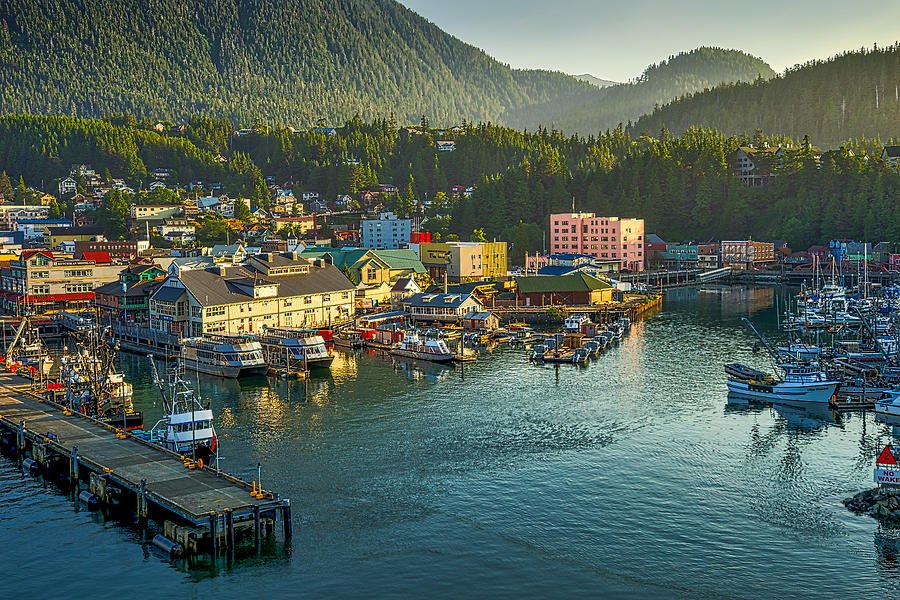
Ketchikan was founded as a salmon cannery site in 1885. Its livelihood initially relied on fishing until logging was introduced. Ketchikan is truly the beginning of the last frontier. Set at the southernmost entrance to Alaska’s famed Inside Passage—a network of waterways that snake through some of the most jaw-droppingly beautiful wilderness in the world—Ketchikan is best known for three things: feisty salmon, idyllic scenery, and an incredibly rich Alaska Native culture.
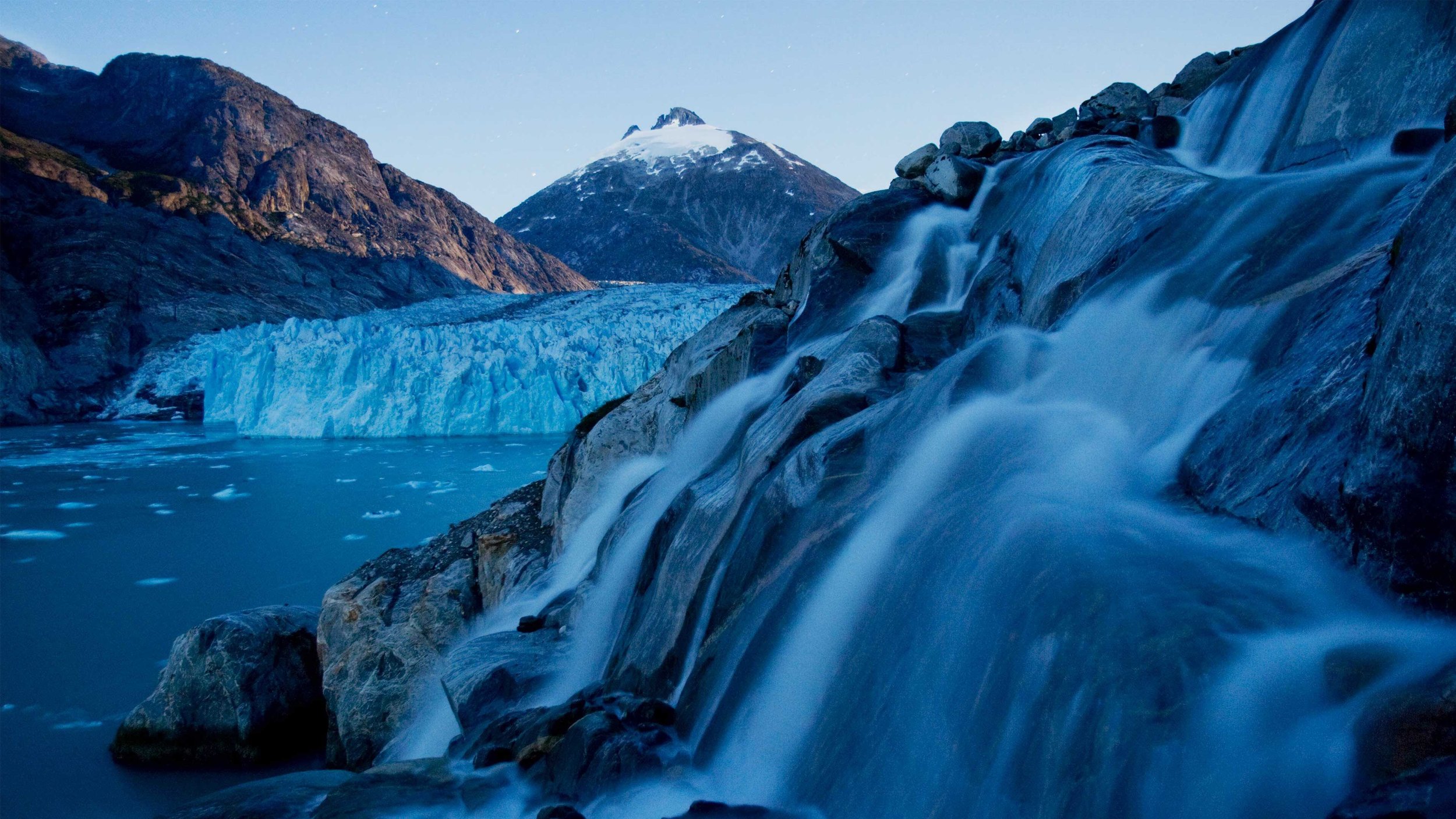
Alaska’s Endicott Arm Fjord marks the southern edge of the 653,179-acre Tracy Arm-Fords Terror Wilderness area. As you sail through its 30-mile-long stretch, you can’t help but be amazed by the untouched beauty of the surrounding granite mountains, verdant valleys and numerous waterfalls. Drifting icebergs, deep blue waters and a spectacular tidewater glacier only add to this natural spectacle’s appeal. Endicott Arm is one of the largest breeding grounds for harbor seals on the planet. Keep your eyes open for these creatures splashing in icy waters near the ship or floating with their pups on giant chunks of ice. Along the shore you might also glimpse brown bears, bald eagles, sea ducks, deer, moose and wolves. Your journey through scenic Endicott Arm Fjord ends with a front-row view of the striking Dawes Glacier. Standing over 600 feet tall and a half-mile wide, this very active icecap is known for its spectacular calving displays which noisily produce huge, chunky icebergs that float in area waters. Remember to dress in wind-resistant layers for viewing scenery outside on deck.
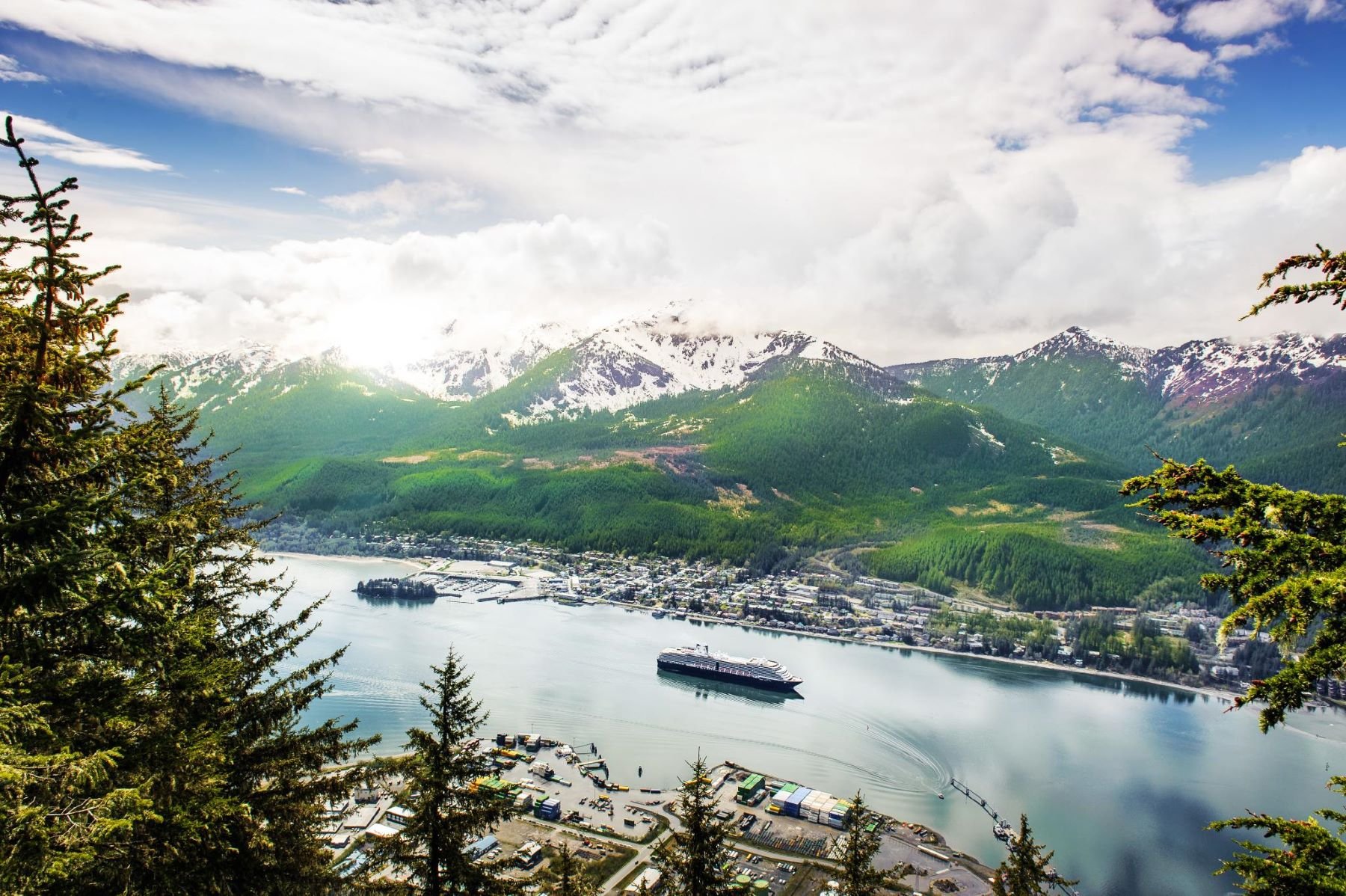
Alaska’s state capital is also one of its most beautiful cities and one of the most visited communities in the state. With so much to see and do, there’s certain to be something for you in Juneau.
Downtown Juneau sits snugly between Mount Juneau, Mount Roberts, and Gastineau Channel, and is a maze of narrow streets running past a mix of new structures, old storefronts, and quaint houses featuring early 19th-century architecture from the town’s gold-mining days. The waterfront bustles with cruise ships, fishing boats, and floatplanes zipping in and out. With no road access to Juneau, it is the only state capital in the United States that can only be reached by airplane or boat.
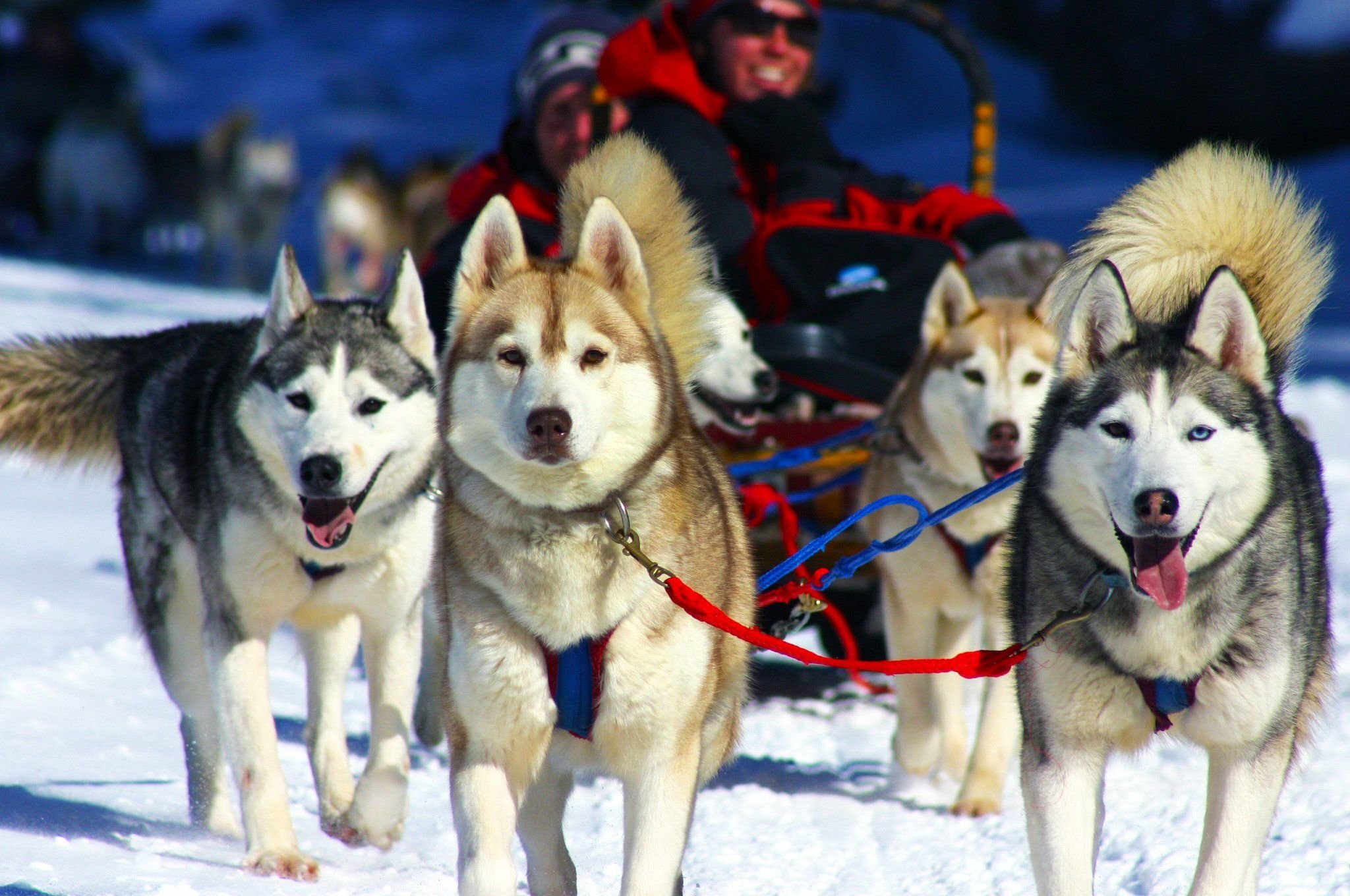
It’s easy to see why tiny Skagway is Alaska’s top visitor destination: It has wide-ranging appeal, including a compelling history, architecture, a scenic railway, a national park and walkability found in few other Alaska towns. It’s a town as picturesque as the ones kids set up around their toy trains every Christmas, and one of the few places in the state to win awards for urban design.
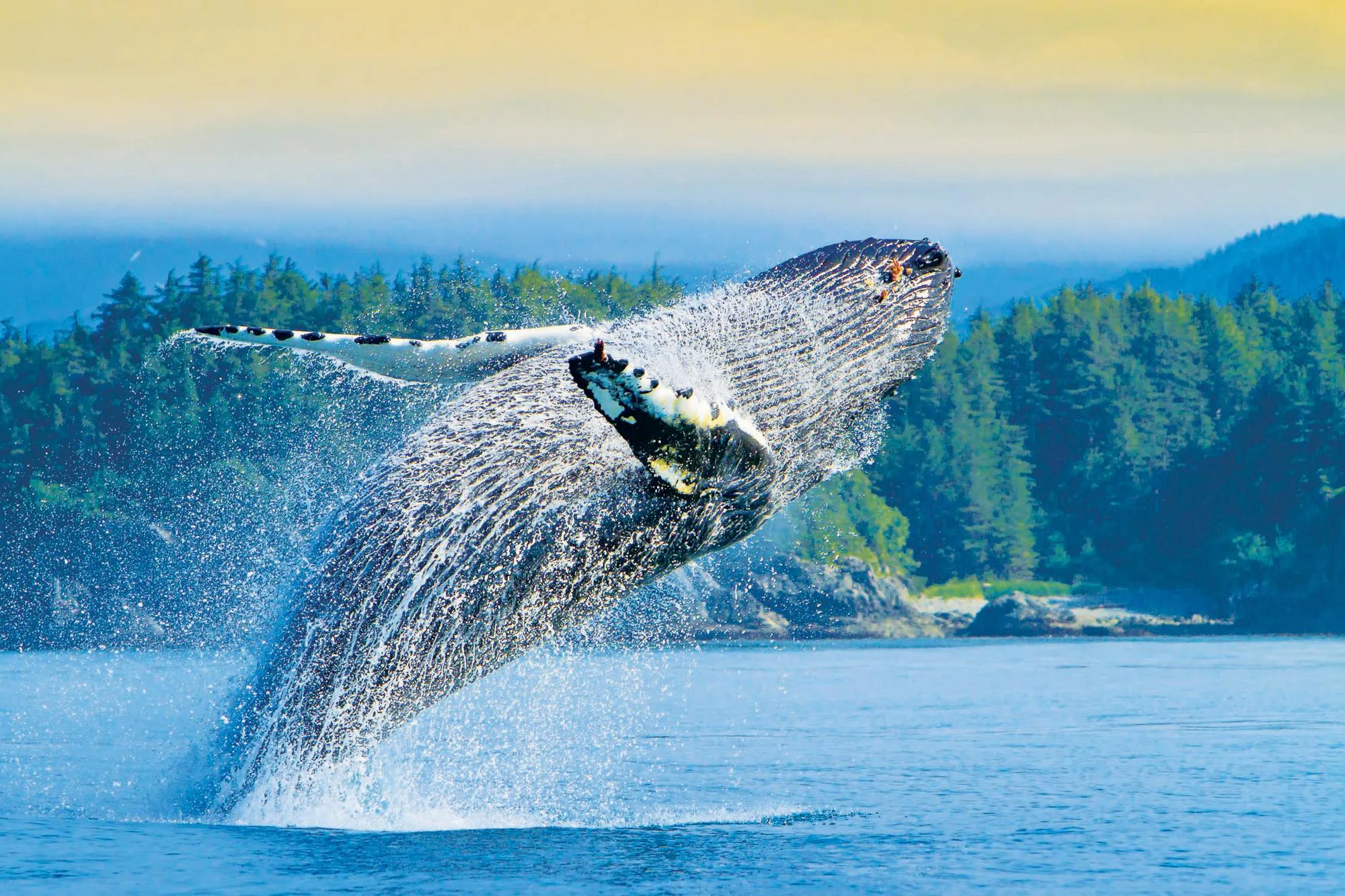
Enjoy active exploration amid a dramatic scenery of mountains, fjords, rivers and glaciers along the Inside Passage of Alaska and British Columbia. Shaped by the staggering force of massive glaciers millions of years ago, Alaska’s Inside Passage stretches 500 miles along the Pacific Ocean and boasts wildlife-filled fjords, tidewater glaciers, and lush island scenery. The Tongass National Forest — the largest national forest in the United States and the largest intact temperate rainforest in the world — covers the vast majority of the Inside Passage.
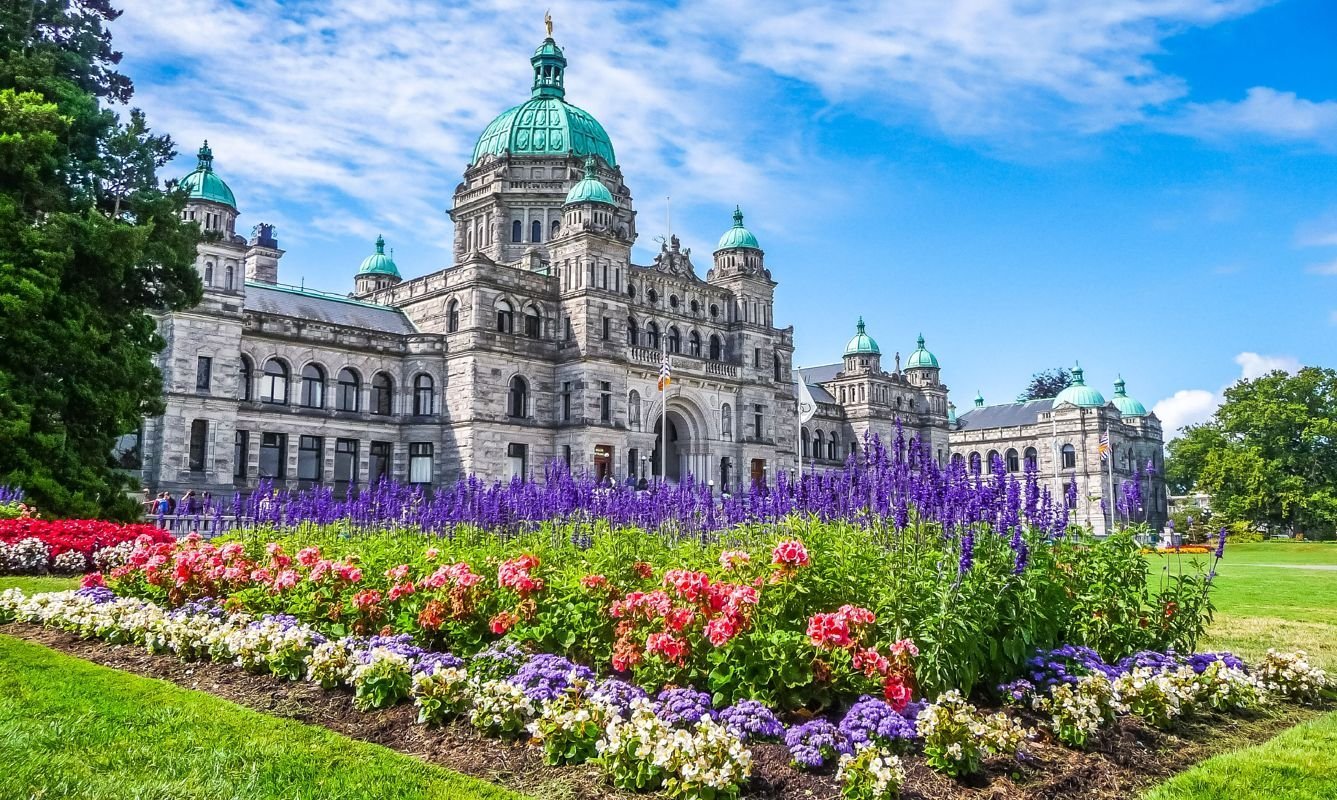
Enjoy active exploration amid a dramatic scenery of mountains, fjords, rivers and glaciers along the Inside Passage of Alaska and British Columbia. Shaped by the staggering force of massive glaciers millions of years ago, Alaska’s Inside Passage stretches 500 miles along the Pacific Ocean and boasts wildlife-filled fjords, tidewater glaciers, and lush island scenery. The Tongass National Forest — the largest national forest in the United States and the largest intact temperate rainforest in the world — covers the vast majority of the Inside Passage.